
"Ethiopian coffee culture"
1000 article(s) found

A brief introduction to the Origin, Development, History and Culture of Fine Coffee beans in the unique Ethiopian Coffee Manor
In the West, Ethiopian coffee is generally sold on the market as Yega Feixidamo and Harald (Yirgacheffee, Sidamo and Harrar). In the field of boutique coffee, there are also five other small places of coffee, namely Lim, Gemma, Le Campdi, Becca and Limmu, Djimmah, Lekempti, Bebeka and Wolega. What you see most often is

Ethiopian coffee origin Ethiopian coffee processing methods Processing methods
The bulk of coffee production (95%) is done by small shareholders, with an average yield of 561 kg/ha. For centuries, small shareholders of Ethiopian coffee farms have been producing a variety of high-quality coffee types. The secret to producing good coffee is that coffee farmers have developed environmental conditions through generations of repeated learning of the coffee growing process.

What are the characteristics of Ethiopian coffee? introduction to Ethiopian coffee beans
Annual output: 186000 tons of coffee from this small Central American country has stood out in recent years: harmonious, sweet, soft and fragrant, tasting it as if exploring its roots (Mayan culture). Pure Coffee blogger Bill Walsh Guatemala Coffee has become one of the most famous coffee producing areas in the world in recent years because of its unique style. In the shady volcanic land

Starbucks Ethiopian Coffee
Following Cafe Review (Wechat official account vdailycom) found that Beautiful Cafe opened a small shop of its own Ethiopian Coffee Story: Arabica coffee beans have been popular all over the world since the 19th century. Now our coffee roaster has created a new way to lead us to better taste this precious coffee bean. This comprehensive coffee is mild and smooth, with floral and floral aromas.

Spice and fruit-flavored Ethiopian Bancimaji boutique coffee beans Origin, Development, History and Culture
Bench Maji, located in southwestern Ethiopia and not far from neighboring Sudan, is easy to find using Google map. Although the flavor of Banchimaji Gesha Estate is different from that of Panamanian Geisha, it is still worth tasting. It is rare in many regions of Ethiopia, because of its varied flavor of spices and fruits.

Ten best coffee cities in the world famous for their unique coffee culture
For the exchange of professional baristas, please follow the coffee workshop (Wechat official account cafe_style) We can often see articles about the ranking of coffee cities, no matter what the ranking criteria are, no matter whether the ranking is acceptable to you or not, these rankings are still of reference value. There is no doubt that the coffee atmosphere of the cities that can be on the list must have their own characteristics. For those who love to travel and love

Is Harald mocha coffee good in Ethiopia? information on Harald coffee producing area
Professional coffee knowledge exchange more coffee bean information please follow the coffee workshop (Wechat official account cafe_style) Ethiopia is the origin of coffee. Once upon a time, there was a town in southern Ethiopia called Kafa, where there were some red fruits. The shepherd found that the sheep was so excited after eating the fruit that they picked it and tasted it, so the fruit was pawned.

Ethiopian Coffee processing in Ethiopian Coffee producing areas
A large amount of coffee production (95%) is done by small shareholders, with an average yield of 561 kg per hectare. For centuries, minority holders of Ethiopian coffee farms have been producing a variety of high-quality types of coffee. The secret of producing high-quality coffee is that coffee growers have developed environmental conditions through generations of repeated learning about the coffee planting process.
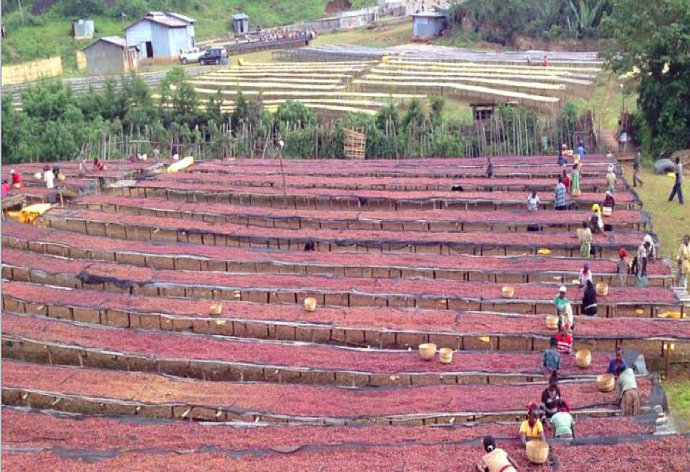
World boutique Coffee Manor: KEFFA region of Ethiopia-an introduction to the birthplace of coffee
The birthplace of Ethiopian KEFFA- coffee reprinted 2015-06-21 13:37:13 label: Ethiopian coffee beans are located in East Africa Ethiopia in ancient Greek means the land inhabited by sun-tanned people. Ethiopia's unique cultural tradition, spectacular scenery, pleasant climate, rich animal and plant resources, important places of interest, hospitality and friendly people

Ethiopian Harar Coffee Bean Common Sense
Ethiopia Harar Coffee Ethiopia is the world's first coffee growing country and maintains the oldest coffee culture. It still maintains a very traditional and ancient coffee growing process. Ethiopia 6 degrees to 9 degrees north latitude. Tropical forest between 34 and 40 degrees east longitude and between 1600 and 1800 meters above sea level. Harald is not only the most expensive coffee in the world, but also a beautiful legend.

The history, culture and story allusions of the holy boutique beans in the Yega Ficochel area
For the exchange of professional baristas, please pay attention to the history, culture, stories and allusions of the holy boutique beans in the coffee workshop (Wechat official account cafe_style). The most famous producing area in southern Ethiopia is the highest elevation Yegashev district, where more than 90% of the coffee is grown by local small farmers.

A brief introduction to the history and culture of the origin, development and development of Ethiopian sunburn Yega Chuefei G1 Jetipwauka boutique coffee beans.
The Waka Cooperative, which is part of the YCFCU Cooperative Union (Yirgacheffe Coffee Farmers Cooperative Union), was founded in 2005 and is one of 22 junior cooperatives. The Waka Cooperative is located in the Gedeb area of the Gedeo district, a remote area of Yejasuffe, away from the local coffee distribution town of Dilla.

A brief introduction to the Origin, Development, History and Culture of aromatic High-quality Ethiopian Coffee beans
It is usually a teenage girl who prepares coffee for everyone at home. She first grabbed a handful of light green raw coffee beans, put them in a small iron pot on the charcoal stove, scooped up clean water, and scrubbed them with both hands. Then roast the coffee beans with a small wooden shovel, and soon the coffee beans begin to turn dark black and emit an attractive fragrance. When the girl thought it was time for the fire, she picked up the iron pot handle
Small town coffee world-famous coffee Asian coffee culture coffee network coffee bean varieties
Yejashaffe is a small town with an elevation of 1700 Murray 2100 meters above sea level. It is also synonymous with Ethiopian boutique beans. The Chinese name "yirga" is rich in Ethiopian boutique beans. It means that we can settle down in this wetland, which is 1700 meters in Murray 2100 meters. It has been a wetland since ancient times, and the ancient saying [Yega] (Yega) means [settle down], [cheffe] means [wetland], so [

A brief introduction to the History and Culture of the Origin and Development of Ethiopian Fine Coffee beans with Multi-level taste
In Ethiopia, the grading and quality control system of coffee is divided into three levels: producer, regional and national. All coffee is inspected by local inspection agencies before leaving the country of origin, and then re-tested at the coffee inspection and grading centers in Addis and Diredawa to determine its quality grade. Coffee is graded before auction and sale, for all involved in production, acquisition,

[coffee beans] classification of Ethiopian coffee
Ethiopia jimma (djimmah Gima) Ethiopia (Ethiopia) famous coffee: Yirgacheffe, Harald, sidamo; and Djimmah are also good and balanced. It is an affordable African mocha forest coffee that grows in the natural environment and under the shade of natural forest trees.

Taste Unique Ethiopian coffee plantation flavor characteristics Introduction
In Ethiopia, people take pride in coffee and see it as a gift to the world. To this day, many Ethiopian families still maintain the ritual of daily coffee celebrations, with the hostess of each family inviting family and neighbors for coffee more than once a day. In their view, this is a way to show friendship and respect. In Ethiopia, this amazing land, it's everywhere.

Ethiopian coffee cultivation, Ethiopian coffee bean characteristics
Weixin Official Accounts vdailycom found a nice cafe to open its own shop Global warming could make nearly 60 percent of coffee produced in Ethiopia unsuitable for farming coffee by the end of the century, a notice released Monday in a research report. Illicit drug crop cultivation is four times more likely to be offshoring in other parts of the country, highlights the study published by Natu

Ethiopian Coffee Manor Flavor Taste introduces Ethiopian boutique coffee beans
Sustainable coffee culture Ethiopian coffee beans grow in close to the natural environment, after years of planting under the same growth conditions, Ethiopian coffee beans have gradually adapted to the environment here. More than 60% of coffee beans are grown in forests or semi-forests. The villages that grow coffee in large areas account for about the total amount of coffee produced in the country.
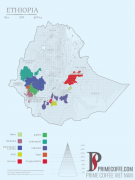
Story of planting grades in Ethiopian Coffee producing area characteristics of flavor and taste of Yega Sidamo coffee beans
As we all know, Ethiopia is the birthplace of coffee. Coffee is the main export commodity grown in Ethiopia. Coffee grown in Ethiopia is famous for its excellent quality and flavor. To this day, Ethiopia is one of the world's largest coffee producers and exporters and is in a leading position in the world.